
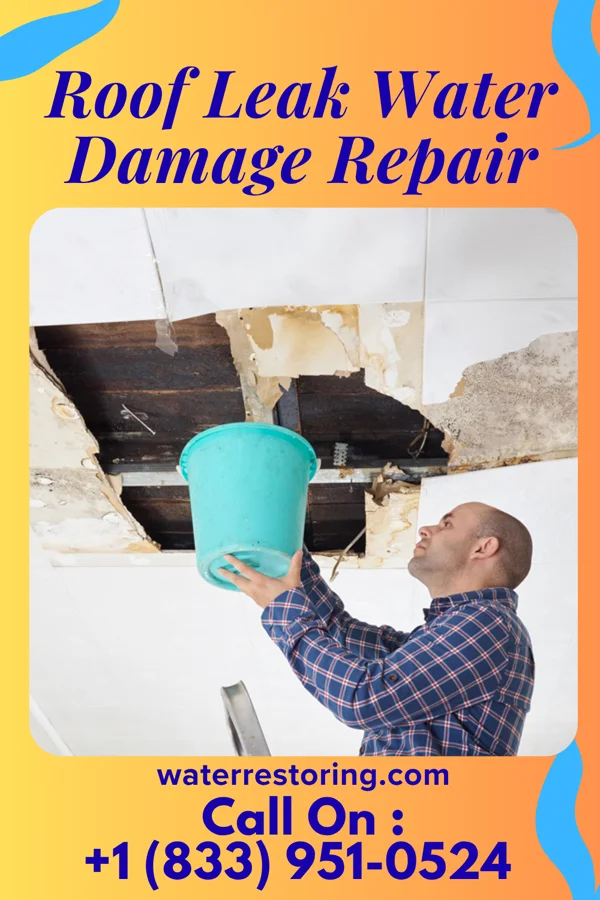
Why Roof Leak Damage Spreads in Wellington
Most water damage emergencies in Wellington start with Wellington, Missouri experiences frequent thunderstorms and heavy rainfall during the spring and summer months, which can lead to sudden roof leaks. The region's unpredictable weather patterns, including sudden downpours and strong winds, increase the risk of water infiltration, especially on older or damaged roofing systems.. A close second is In the fall, Wellington is prone to early frosts and temperature fluctuations, which can cause roofing materials to expand and contract, leading to cracks and gaps. Additionally, the occasional severe weather event, such as hail or tornadoes, can cause significant damage to roofs and surrounding structures.. From the second water touches the property, every minute changes what gets saved and what gets ripped out.
Wellington's climate, characterized by hot summers and cold winters, contributes to the degradation of roofing materials over time. The combination of moisture from frequent rain and temperature extremes can accelerate wear on roofing systems, increasing the likelihood of leaks and water damage.
Most roof leak water damage repair calls in Wellington come from Wellington, Missouri experiences frequent thunderstorms and heavy rainfall during the spring and summer months, which can lead to sudden roof leaks. The region's unpredictable weather patterns, including sudden downpours and strong winds, increase the risk of water infiltration, especially on older or damaged roofing systems.. Running a close second is In the fall, Wellington is prone to early frosts and temperature fluctuations, which can cause roofing materials to expand and contract, leading to cracks and gaps. Additionally, the occasional severe weather event, such as hail or tornadoes, can cause significant damage to roofs and surrounding structures.. Local mold risk: In Wellington, mold growth can occur within 48 hours of water intrusion, especially in damp or humid conditions. This rapid mold development can lead to secondary damage, including structural weakening and health risks, making timely water damage response critical.
For public guidance on the health effects of mold after prolonged water exposure, see the EPA mold and health page.